
A Rich History of Early Inhabitants
Back to Top of List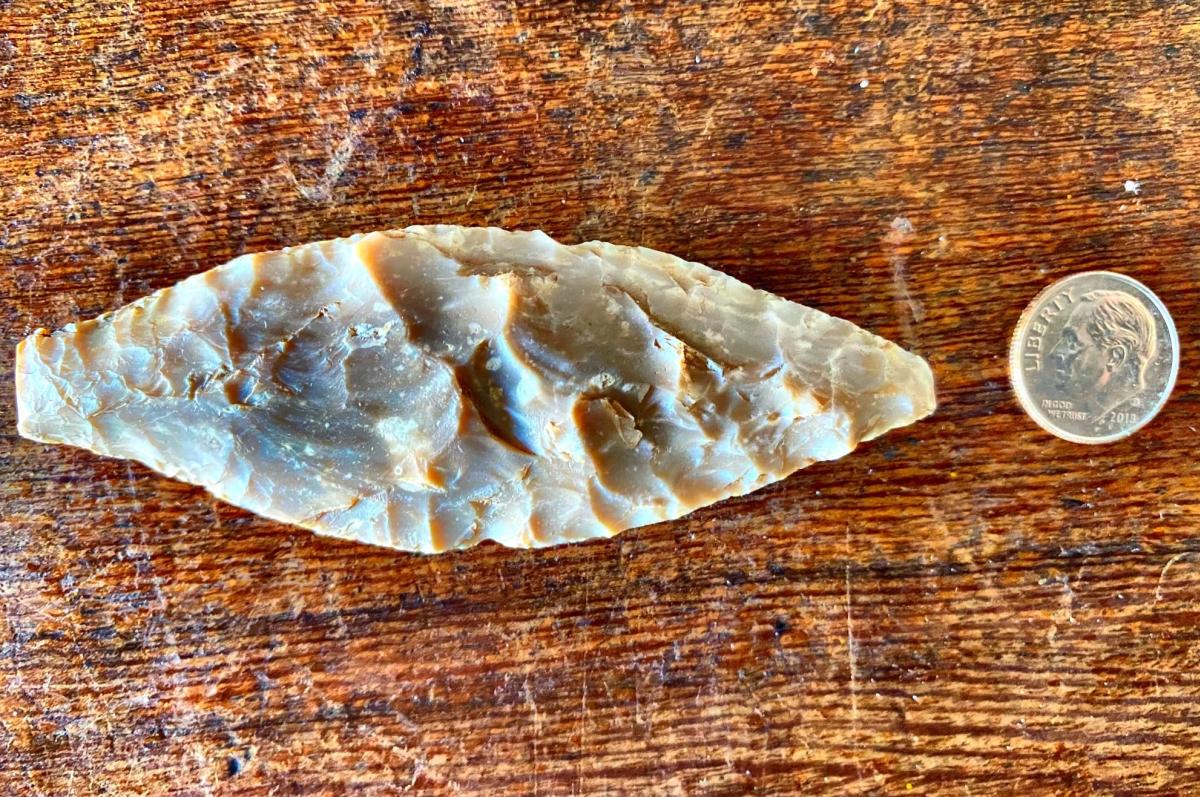 The area dates back to a time when early pioneers, impressed by the abundance of shells adorning the beaches, referred to it as “shell beach.” This name reflects its past as a thriving hub for Native Americans, particularly the Shoshone tribe, who discovered the area's wealth of fish and shellfish in its wetlands. For these early inhabitants, life along the California shore was bountiful and harmonious.
As archaeological studies have revealed, the Bolsa Chica Wetlands supported the sustenance of Native peoples and also housed the remnants of their lives. Artifacts dating back thousands of years, including mysterious “cog stones”, charm stones, and arrow points, have been unearthed, shedding light on California's ancient coastal cultures. The Gabrieleno Tongva and Acjachemen tribes, descendants of these early native peoples, still regard the Bolsa Chica area as an important historical and cultural touchstone.
The Influence of Spanish Colonization
Back to Top of List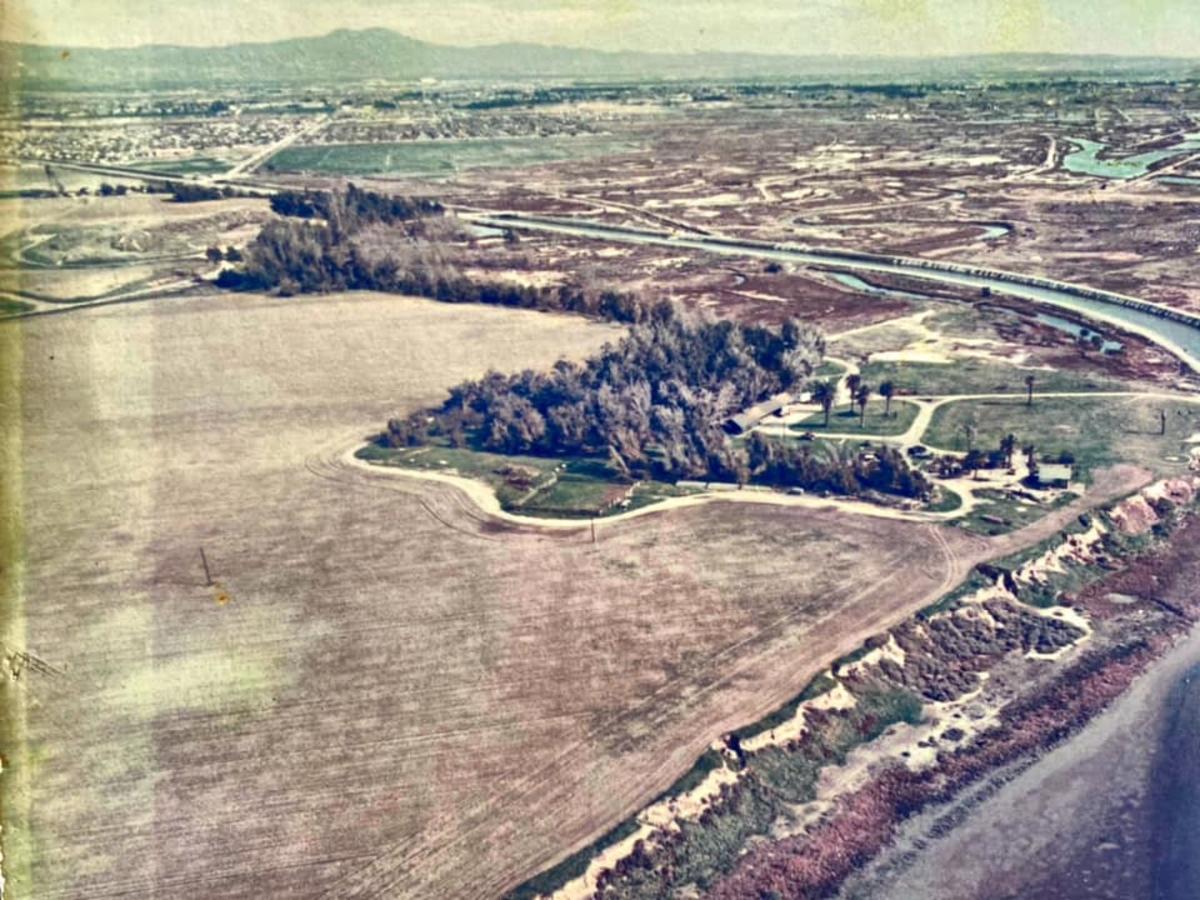 With the arrival of Spanish colonizers, the Bolsa Chica was bestowed its modern name, which translates to “Little Pocket.” This designation reflects the landscape's unique geography, characterized by isolated land areas surrounded by marshes and the ocean. The Spanish ranchos of the era laid the groundwork for a rich and diverse history that would span centuries, allowing the Bolsa Chica to escape the intense development that plagued many coastal areas.
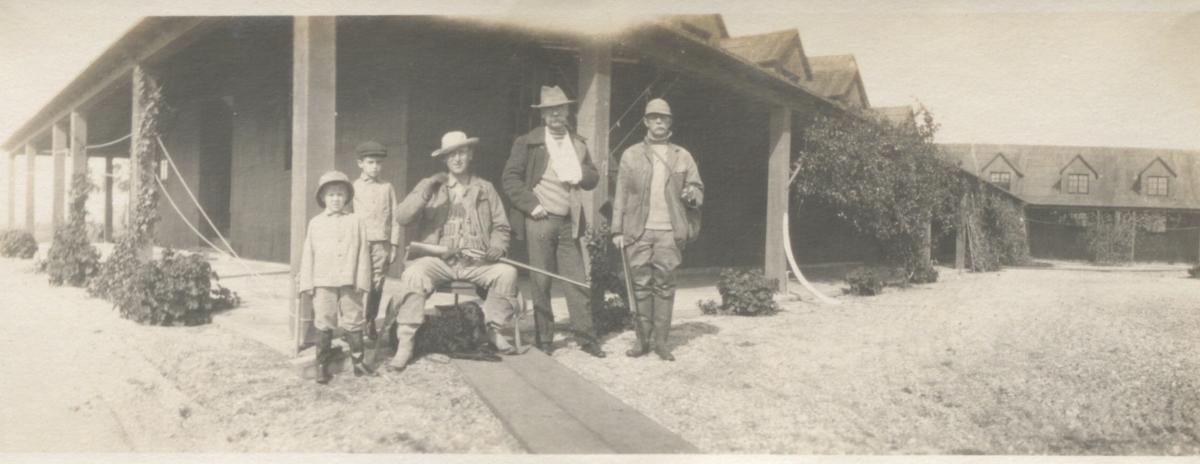 However, modernization would eventually have its impact. In 1899, the Bolsa Chica Gun Club was established by wealthy businessmen from Los Angeles and Pasadena. They constructed a two-story building on a mesa overlooking the Pacific Ocean, but their most significant contribution was the damming of Bolsa Chica, severing its direct tidal flow with the ocean. This alteration irreversibly changed the area's ecosystem for the next century.
Modernization and Preservation Efforts
Back to Top of ListA Haven for Birdwatchers
Back to Top of List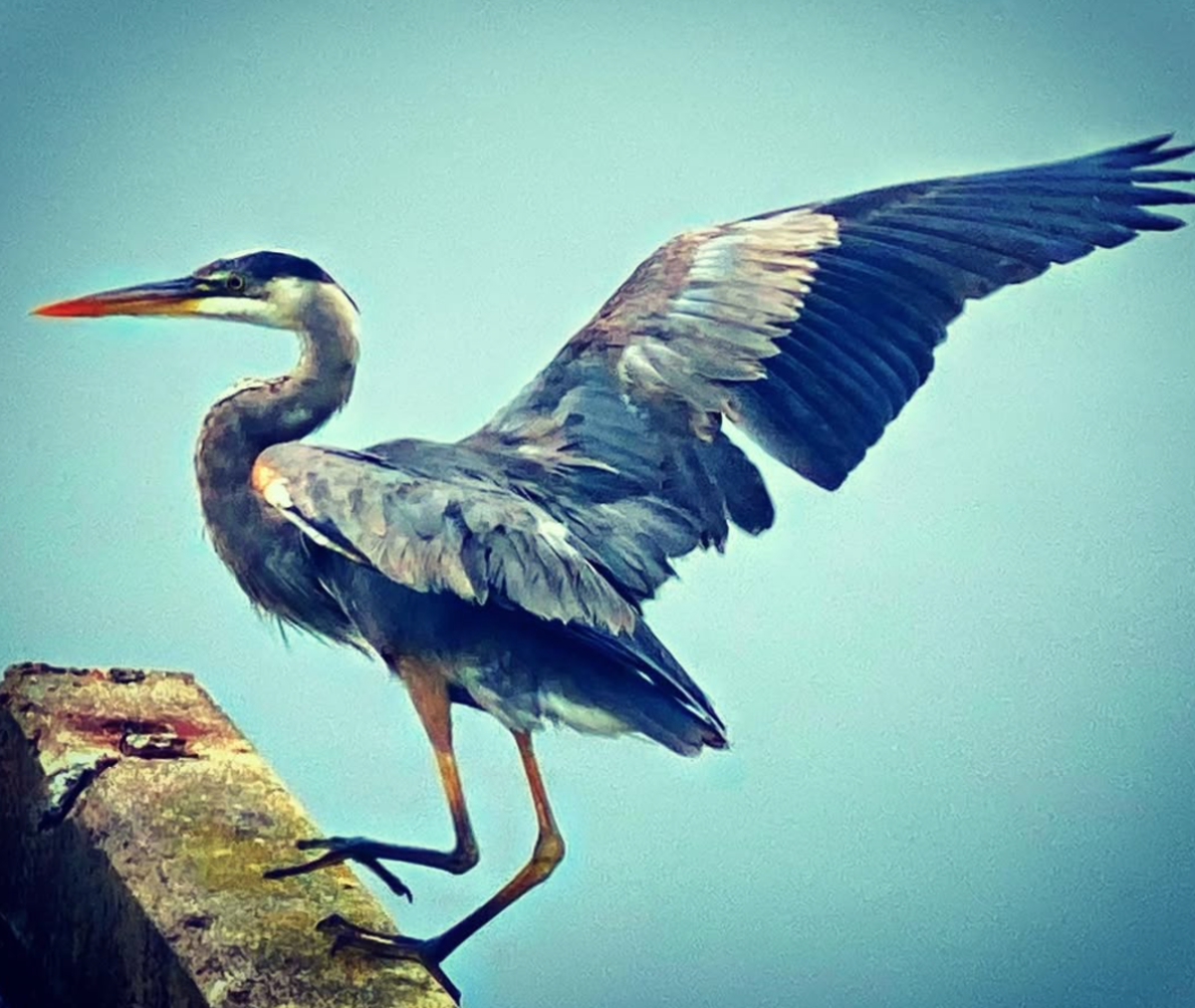 As part of the Pacific Flyway, a crucial migratory route for birds, the Bolsa Chica wetlands are a sanctuary for nearly 300 species of birds throughout the year. This remarkable diversity attracts birdwatchers from around the globe, making it a premier destination for avian enthusiasts. Shorebirds, raptors, herons; you name it, the wetlands offer an unparalleled opportunity to witness these magnificent creatures in their natural habitat.
Activism and Community Engagement
Back to Top of List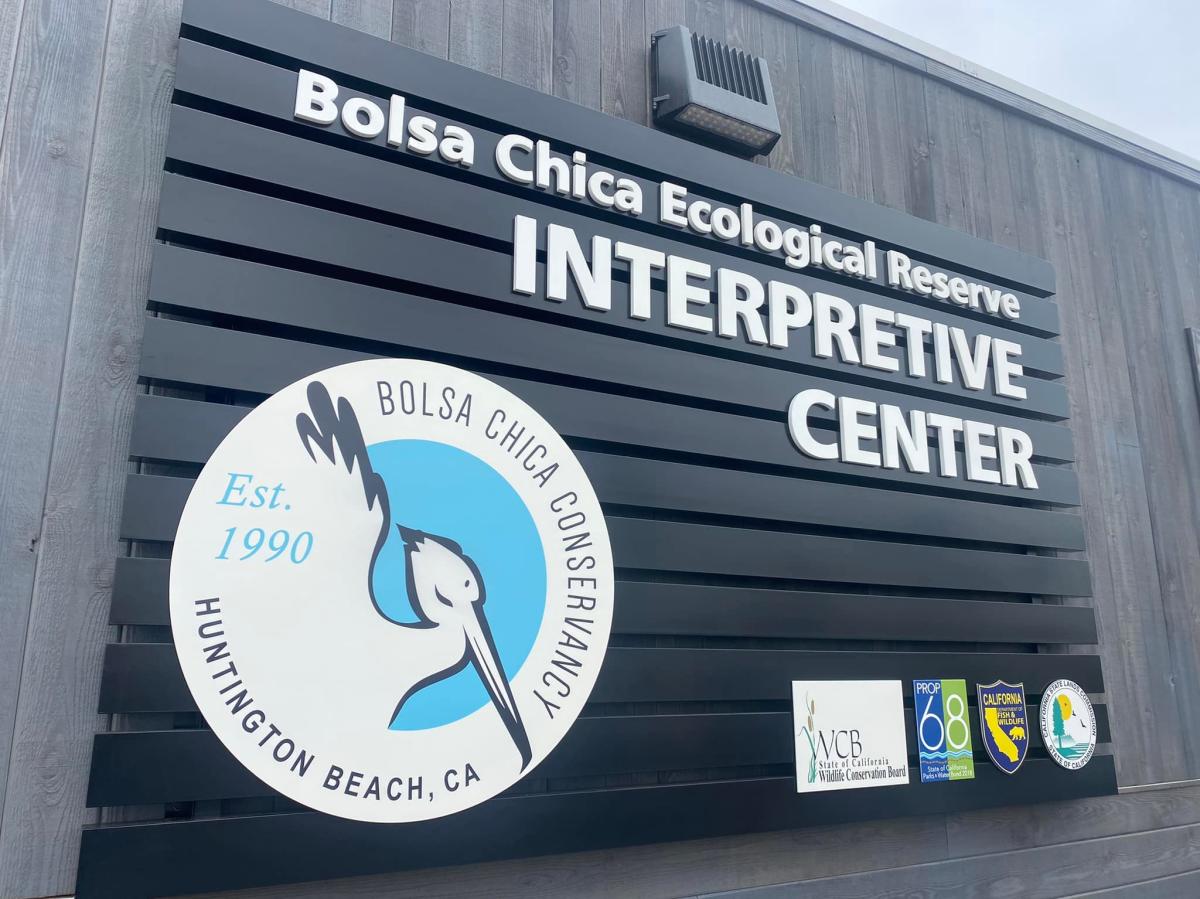 The 1960s marked an era of heightened development pressures. Signal Landmark acquired the 2,000 acres of Bolsa Chica with plans for a massive housing development and marina. This spurred significant backlash from state officials and the community, eventually leading to the preservation of a portion of the wetlands. By 1973, 300 acres of wetlands were designated as the original Bolsa Chica Ecological Reserve.
In response to growing concerns about environmental degradation, local activists took action. In 1976, members of the League of Women Voters formed Amigos de Bolsa Chica, or "Friends of Bolsa Chica," to advocate for the preservation of more wetlands. Their efforts helped lay the groundwork for future conservation initiatives.
The landscape of Bolsa Chica continued to evolve, and in 1990, the Bolsa Chica Conservancy was formed to help focus on preserving all 1,700 acres of wetlands and mesas in the area (another group, the Bolsa Chica Land Trust, was formed a few years later). The upland mesa habitat serves as essential nesting ground and shelter for various wildlife species, reinforcing the ecological importance of this region as part of a larger salt marsh ecosystem.
A Successful Restoration
Back to Top of ListCome visit!
Back to Top of List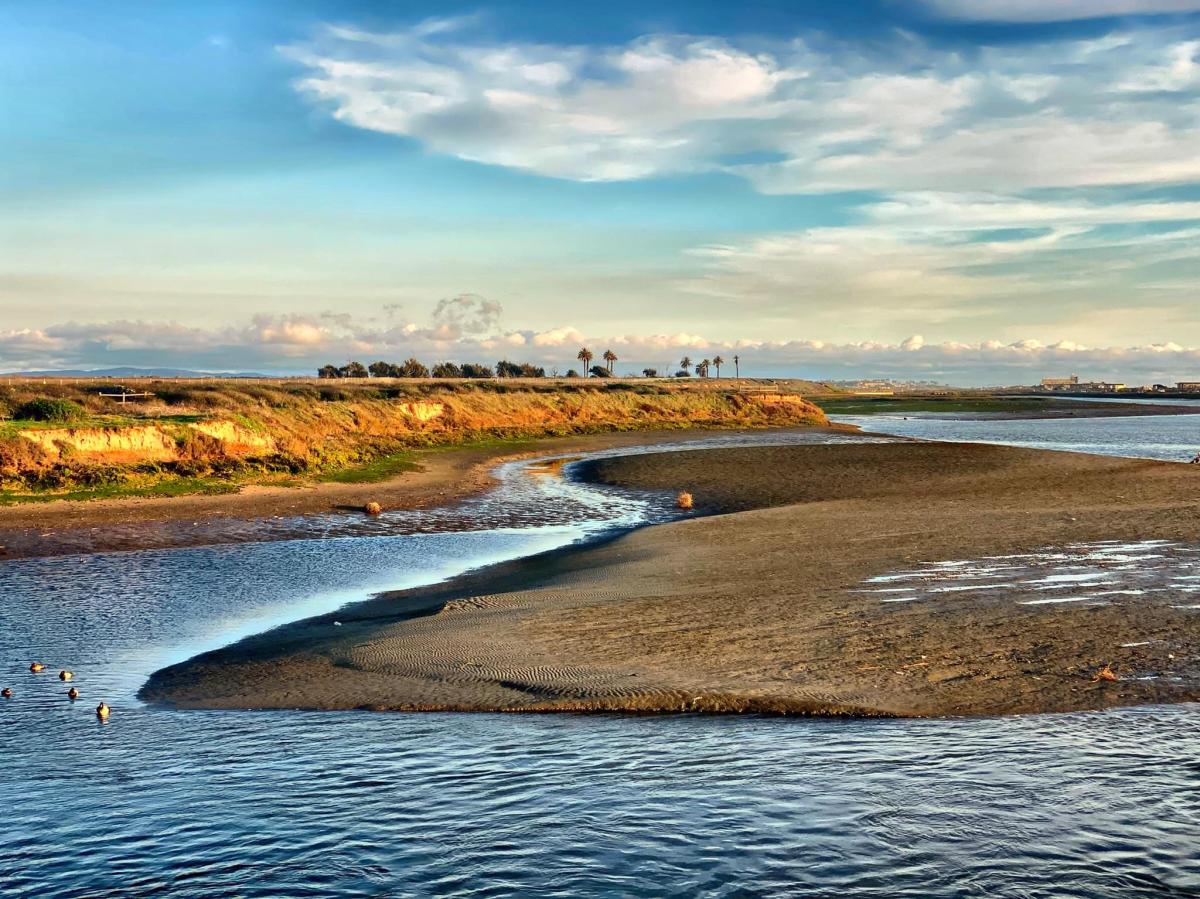 Today, the Bolsa Chica wetlands remains a place of tranquility and significance, serving as a vital habitat for wildlife, a repository of cultural heritage, and a cherished escape for the people of Huntington Beach and beyond. Whether you’re a local or a visitor, experiencing the Bolsa Chica wetlands is an unparalleled opportunity to connect with nature, appreciate history, and support conservation efforts that protect this valuable ecosystem for generations to come.