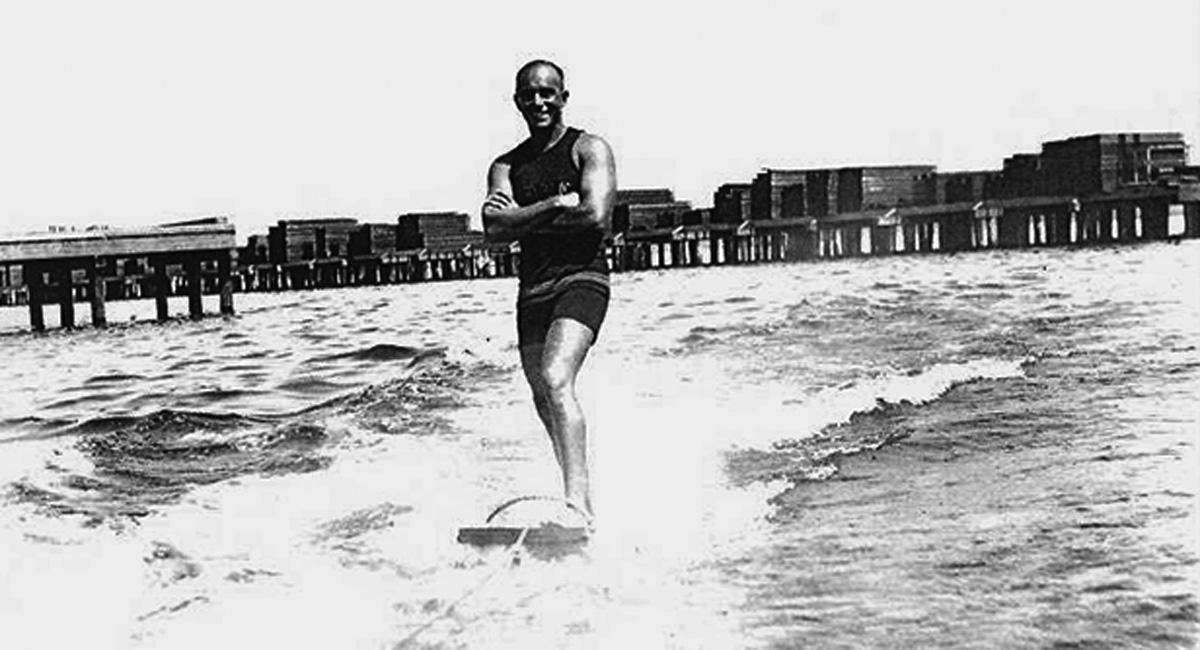
The surfing legacy in Huntington Beach began in 1914 when George Freeth, a Hawaiian-born surfer and waterman, was invited by railroad magnate Henry Huntington to introduce the sport. Freeth’s remarkable demonstration at the newly constructed pier captivated locals and sparked interest in what would soon become a beloved pastime. He showcased his skills, riding the waves with effortless grace, and ignited a passion for surfing that would only grow in the coming decades.
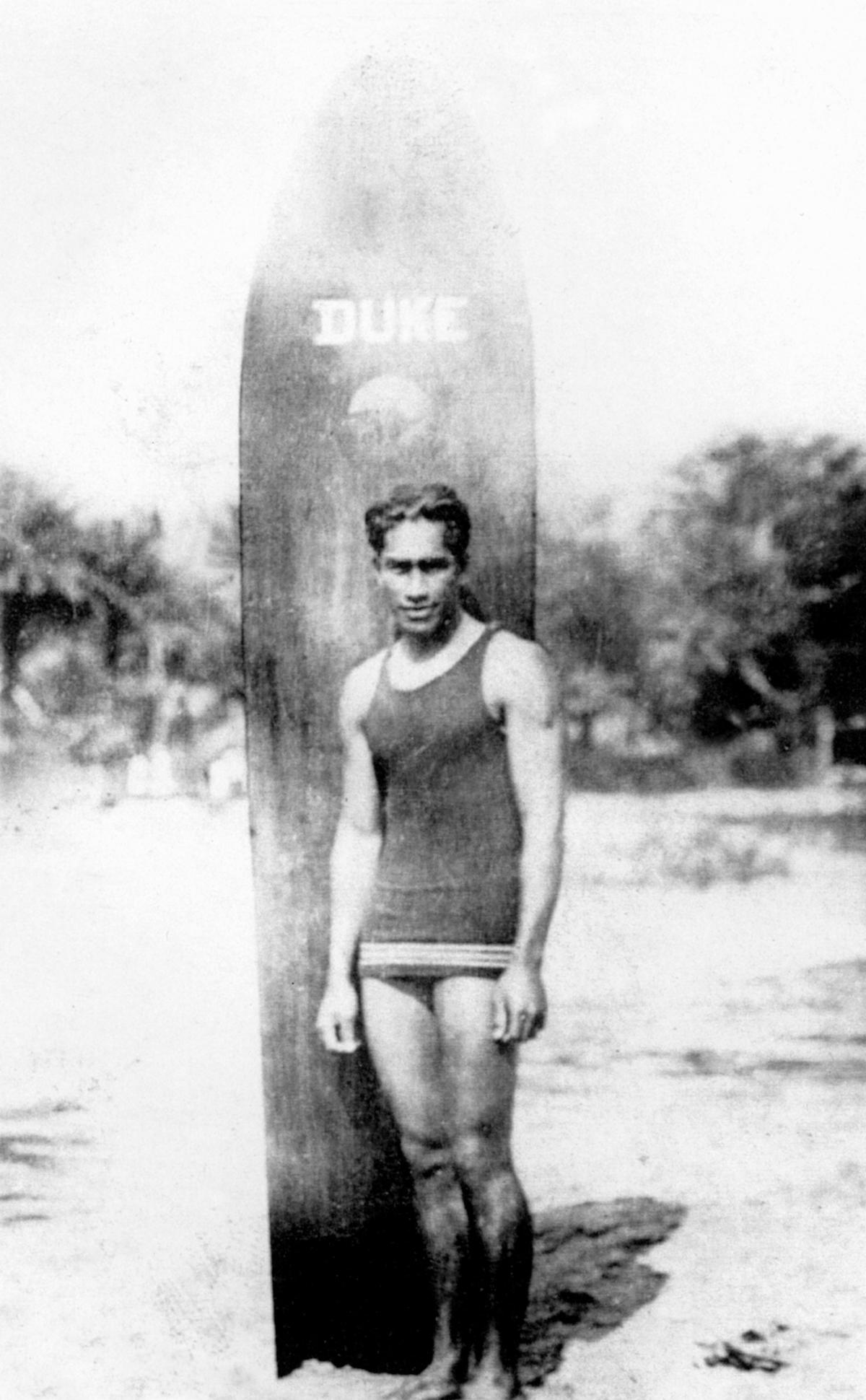
In the 1920s, the sport gained further traction thanks to the legendary Duke Kahanamoku, an Olympic swimmer and surfing ambassador from Hawaii. Kahanamoku played a crucial role in popularizing surfing across the continental United States. His charismatic personality and surfing prowess drew crowds, and in 1925, he held demonstrations in Huntington Beach, inspiring countless individuals to take to the waves themselves. By 1933, a formal surfing contest was organized, marking the first of many local competitions that would ultimately pave the way for Huntington Beach to become a key venue in the surfing community.
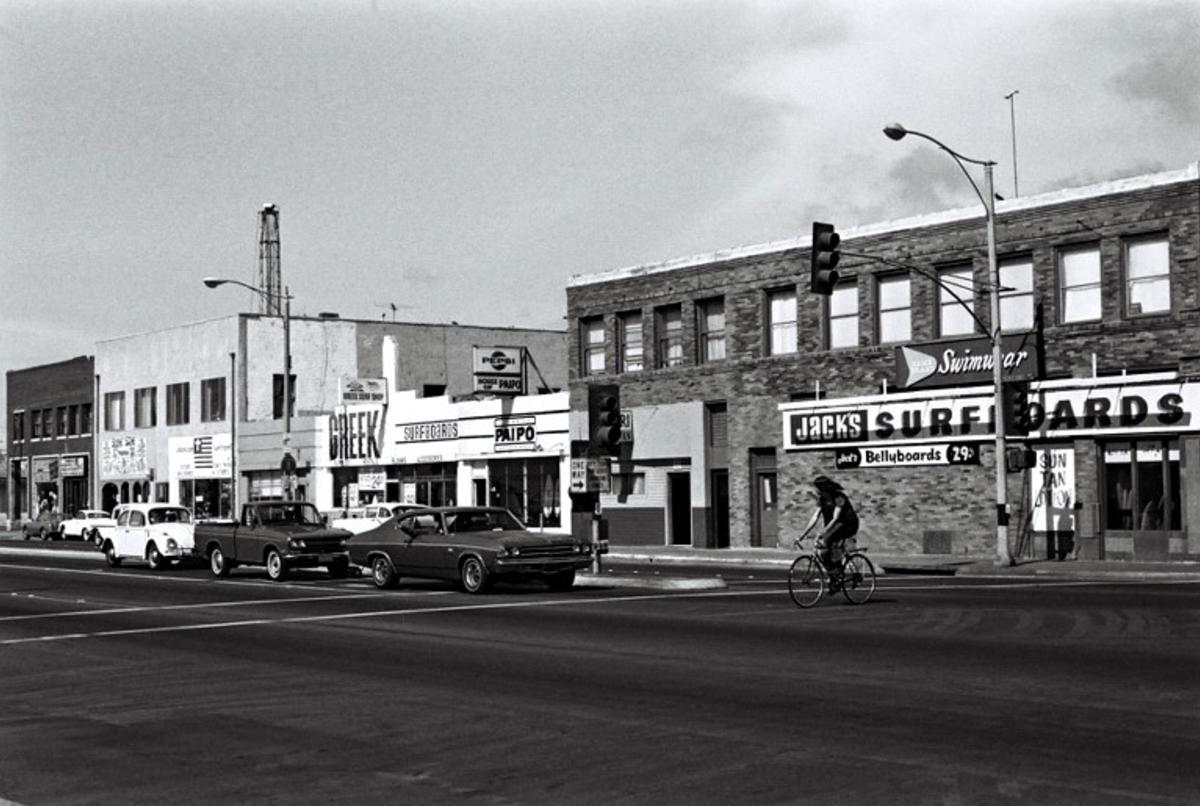
The 1950s marked a turning point for surfing in California, and Huntington Beach was at the forefront of this transformation. In 1953, the first surf shop, Gordie’s Surf Boards, opened its doors, providing surfers with the equipment they needed to ride the waves. The excitement culminated in 1959 with the first U.S. Surfing Championship held in Huntington Beach—an event that drew both competitors and spectators from around the country, solidifying the city’s reputation as a surfing hotspot.
The 1960s saw Huntington Beach gain international recognition as the sport of surfing soared in popularity. The 1960 U.S. Surfing Championship was televised, exposing a broader audience to the thrill of competitive surfing. This era produced numerous surfing legends, including Kelly Slater and Corky Carroll, who not only left indelible marks on the sport but also helped elevate Huntington Beach’s status as a premier surfing destination.
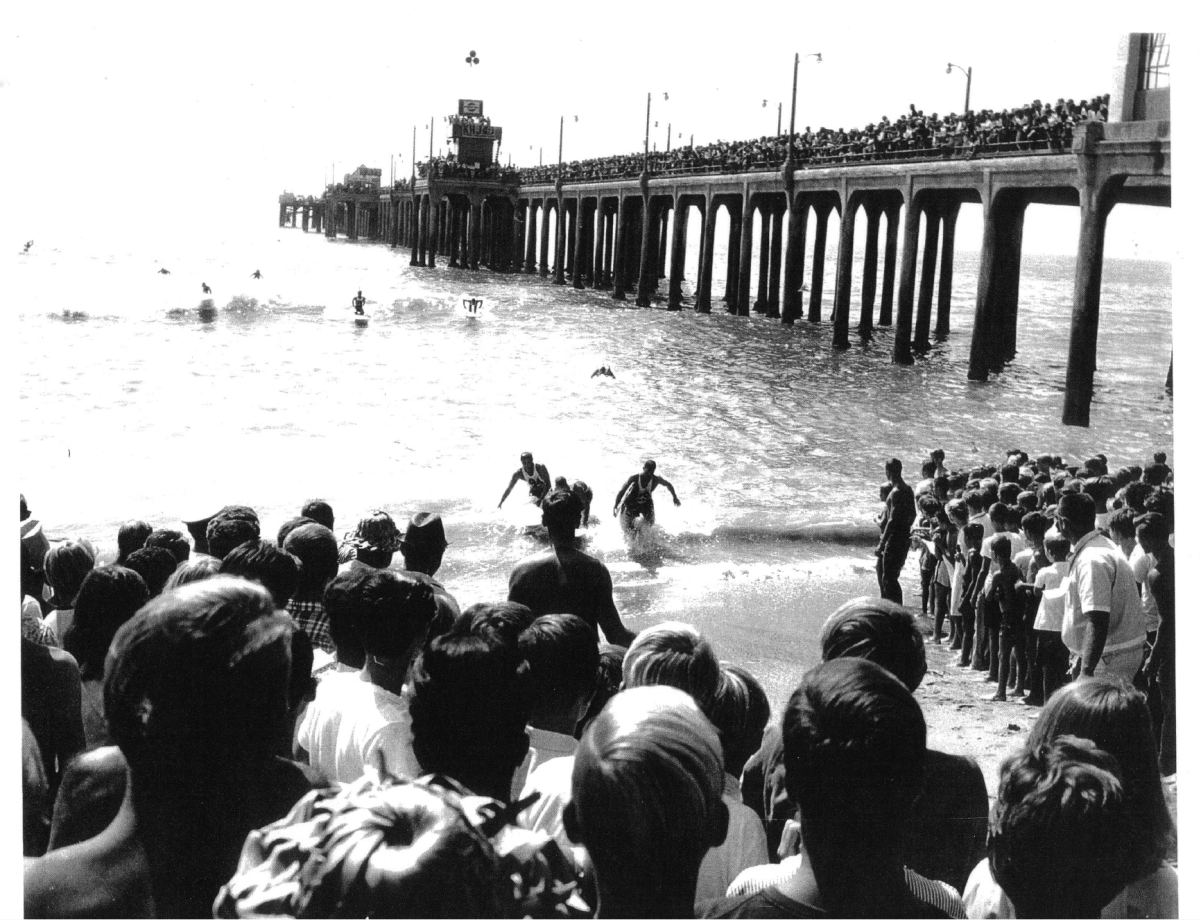
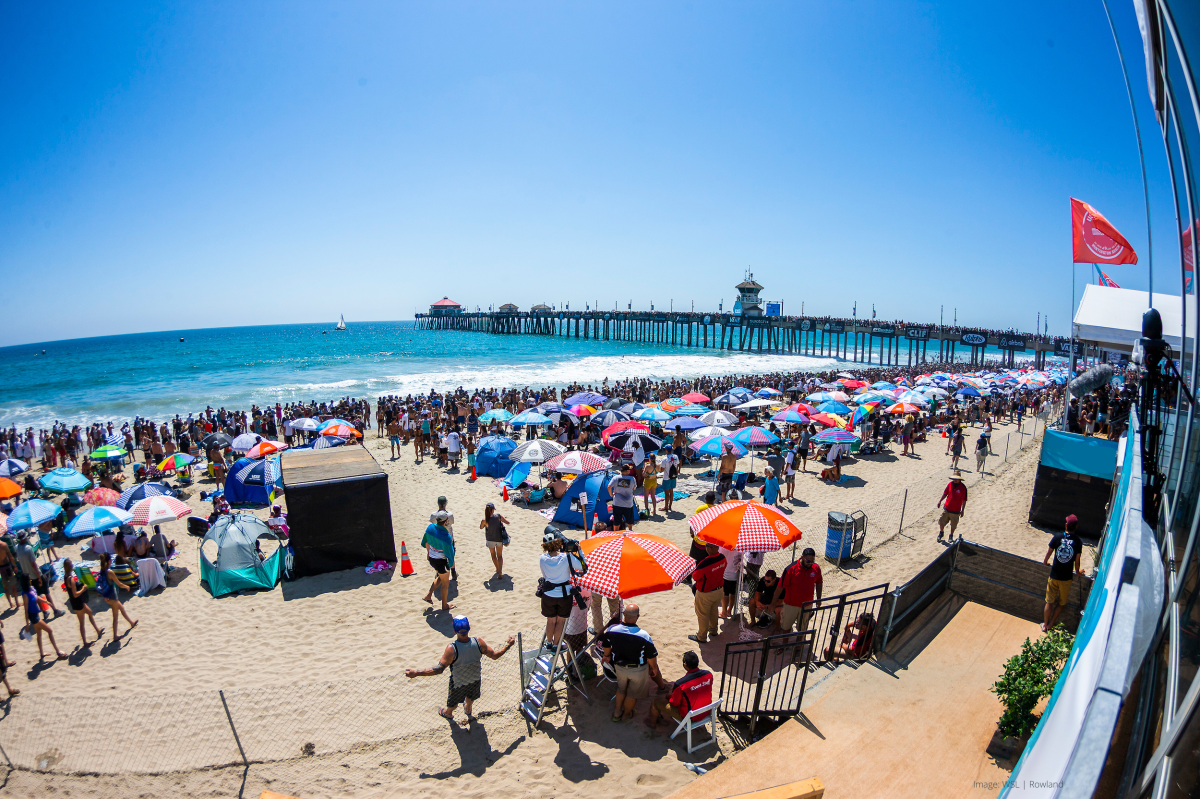
As surfing continued to evolve, so did Huntington Beach. In 2006, the city officially trademarked "Surf City USA," a title that signifies its cultural identity and commitment to celebrating its surfing heritage. The annual U.S. Open of Surfing remains one of the largest and most significant surf competitions, attracting approximately 500,000 spectators to the pier each summer. This championship not only showcases elite surf talent but also fosters a sense of community among surfers, fans, and local businesses.
In addition to its vibrant surf competitions, Huntington Beach is home to the International Surfing Museum, a treasure trove of historical significance that tells the story of surfing’s evolution. Visitors can explore an impressive collection of vintage surfboards, memorabilia, and photographs that chronicle the sport's journey from its Hawaiian roots to the prominent global phenomenon it is today.
The enduring legacy of surfing in Huntington Beach serves as a testament to the power of community and culture, bringing together people from all walks of life who share a passion for the ocean. As we celebrate Surf City USA’s rich history, it is clear that the waves of Huntington Beach will continue to inspire and captivate generations of surfers for years to come.